Push Your Limits in the Wild
Beaches and spas are fine, but they rarely leave a mark. Outdoor challenges, on the other hand, demand something deeper. They strip away the distractions and make room for real experiences hard earned moments that push your limits, test your patience, and reshape your sense of what’s possible. Whether it’s crossing mountains or navigating remote rivers, these journeys don’t just fill photo albums; they change people.
That’s part of the reason adventure focused travel is booming. More travelers aren’t just chasing beauty they’re chasing intensity, discomfort, and growth. We’re seeing backcountry expeditions go mainstream, survival weekends replacing city breaks, and people trading sightseeing for sweat. It’s not about escape; it’s about transformation.
Those drawn to nature’s extremes tend to have a few things in common: grit, curiosity, and the ability to live with uncertainty. They know how to prep, but they also know how to adapt. They’re not looking for easy they’re looking for meaning. And the wild never fails to deliver.
High Altitude Treks That Test Your Stamina
Few things push you harder or reward you more than trekking at the roof of the world. The Annapurna Circuit serves up both altitude and awe, threading through villages and mountain passes that feel like they’ve been waiting centuries for your footsteps. Kilimanjaro, with its multiple routes like Lemosho or Machame, is more than Africa’s highest; it’s a mental gauntlet wrapped in changing climates. Down south, Patagonia’s rugged trails cut through wind whipped wilderness that demands grit from every direction.
But none of these should be tackled on a whim. Acclimatization isn’t optional; it’s survival. Gear needs to earn its spot think layered clothing, a tested pack, and boots you trust. And perhaps more than anything, your head has to be in it. Mental focus becomes fuel when oxygen thins and miles stretch on.
Route planning isn’t just about dreams it’s about knowing your ceiling. Elevation matters. So does experience. If you’ve only hiked local peaks, jumping straight into a 5,000 meter trek is a gamble. Assess your time, fitness, and how far into discomfort you’re willing to lean. For detailed maps, terrain breakdowns, and planning tools that don’t sugarcoat the route, check out map outdoor treks.
Multi Sport Expeditions for the Bold
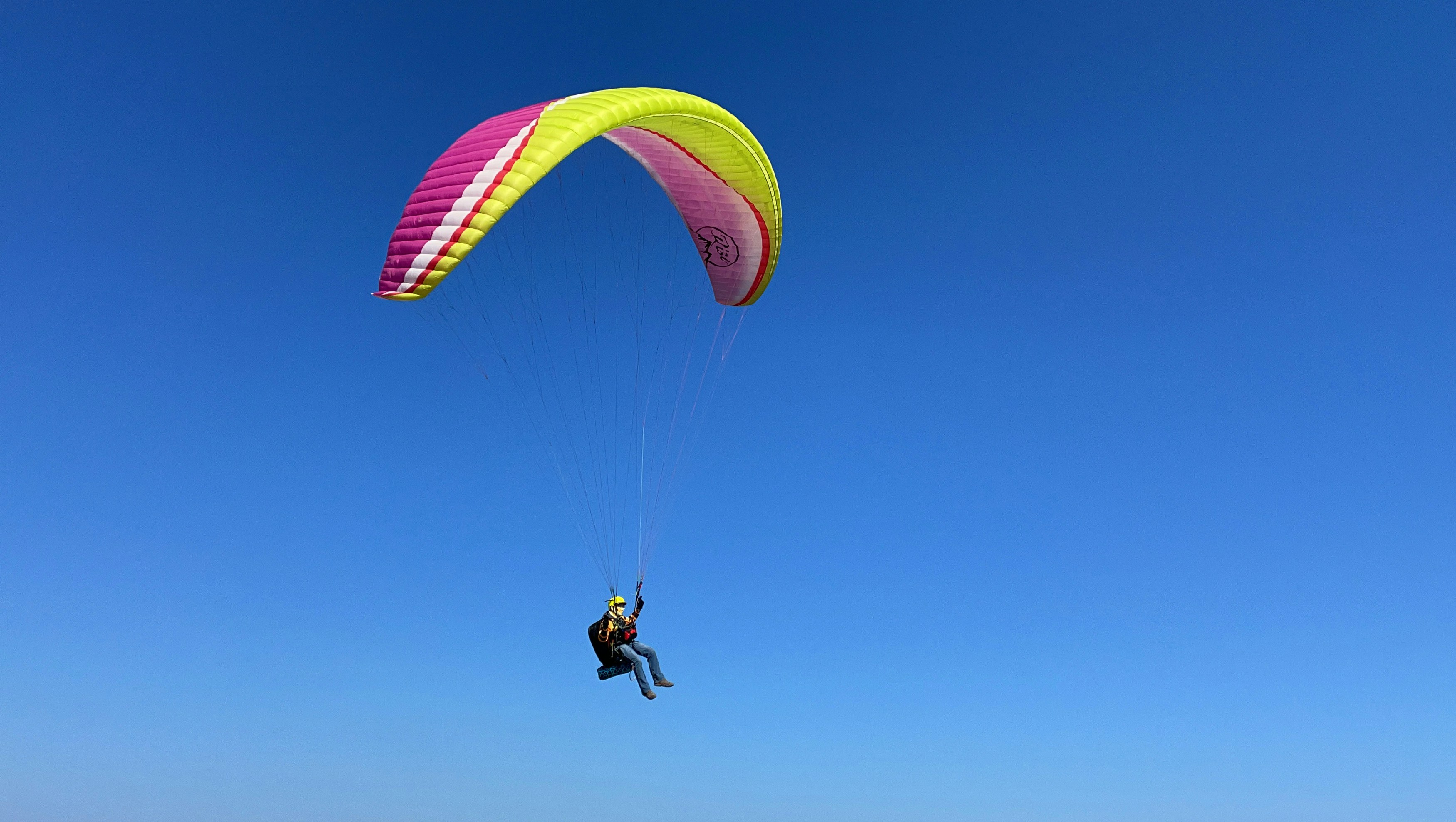
For travelers who want more than a one dimensional adventure, multi sport expeditions offer a thrilling variety of challenges. These journeys combine hiking, paddling, climbing, and sometimes cycling pushing your body and mind across multiple frontiers.
What is a Multi Sport Expedition?
A multi sport expedition weaves several outdoor disciplines into a single itinerary. Instead of just hiking a trail or paddling a river, you’ll do both and possibly more. It’s immersive, dynamic, and designed for those who crave versatility in nature.
Common Activity Combinations:
Backcountry hiking followed by alpine climbing
Kayaking coastal fjords with off the grid camping
Mountain biking paired with river rafting
Where to Go
Some regions are particularly suited for these multi discipline explorations due to their diverse landscapes:
New Zealand’s South Island: Trek rugged alpine passes, then paddle the turquoise waters of Abel Tasman National Park.
Canadian Rockies: Combine glacier hikes, cold water paddling, and rock climbing in Jasper and Banff.
Norway’s Fjords: A dream setting where you can cycle down epic switchbacks, kayak along sheer cliff walls, and hike through snow capped ranges.
Each location offers pre mapped routes for various skill levels, but the challenge and reward depends on your curiosity and preparation.
What to Pack and Prepare
These journeys demand intentional gear choices and solid cross discipline training.
Essential Gear:
Waterproof, multi day backpack with adjustable support
Lightweight climbing harness and helmet
Kayaking dry bag, water shoes, and paddle gloves
Layered clothing system for quick weather changes
Satellite GPS or map loaded device for off grid navigation
Physical & Mental Conditioning:
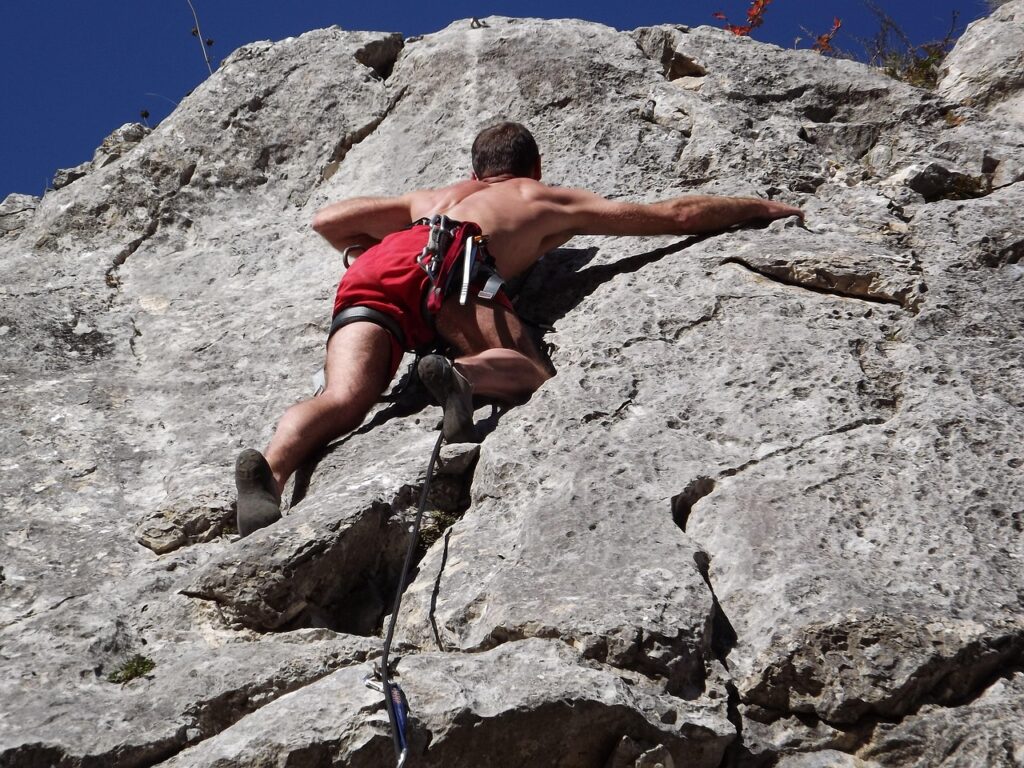
Train across multiple disciplines: endurance for hiking, upper body for paddling, flexibility for climbing
Focus on recovery tools: mobility work, nutrition planning, effective rest cycles
Mentally prep for transitions each switch between gear and environment requires adaptability
What to Expect
You’ll be tired. You’ll be awed. You’ll redefine your limits again and again. Multi sport expeditions aren’t about checking boxes; they’re about embracing discomfort, unpredictability, and the rare joy of completing something truly epic.
If you want to experience nature’s extremes with variety, depth, and intensity this is your lane.
Survival Style Wilderness Challenges
Sometimes adventure isn’t about the views it’s about the grit. Survival style treks strip away the comforts of modern travel and throw you into the raw mechanics of staying alive. It’s not just a hike. It’s building a fire when the rain won’t quit. It’s learning to send an emergency signal when you’re miles from help. It’s figuring out how to build a shelter with what you’re carrying or what you can find.
There’s growing demand for guided outdoor survival courses that push travelers to operate with less. These aren’t macho boot camps they’re immersive experiences designed to increase your self reliance and sharpen instincts dulled by city life. Minimalist routes test what you’re made of, both mentally and physically.
To venture into unpredictable terrain without fumbling the basics, prep matters. Scouting your path ahead using detailed resources like map outdoor treks is the first step. After that, it’s you, your gear, and your will to adapt.
Adventure, But Smarter
When facing remote terrain, challenging climates, and physically demanding routes, preparation is everything. Smart adventure isn’t about thrill seeking recklessly it’s about moving through extreme environments with the right skills, mindset, and awareness.
Train with Purpose
Before taking on any serious outdoor challenge, your training should mimic what you’ll actually face:
Endurance Focus: Build aerobic capacity with long distance hikes, cycling, or trail running.
Strength Training: Target core muscles, legs, and stabilizers to handle rugged terrain and heavy packs.
Flexibility & Mobility: Daily stretching routines help prevent injury while improving movement efficiency.
Stay Ahead of Risk
Even seasoned explorers get into trouble when they overlook basic safety. Craft a plan to manage harsh elements and physical strain:
Hydration Discipline: Train your body to hydrate before thirst kicks in. Use electrolyte balance strategies for longer trips.
Weather Awareness: Learn basic meteorology or follow regional forecasts closely. Pack adaptable gear layers.
Injury Prevention: Invest in quality footwear, know your recovery limits, and learn how to care for knees, ankles, and back under stress.
Know When to Push And When to Pause
Not every summit needs to be reached to claim success. Part of being smart in the wild is listening to your limits:
Assess conditions honestly: Does the weather signal risk ahead?
Evaluate physical cues: Is fatigue affecting decision making?
Make conservative choices if rescue or exit would be difficult or delayed
Adventure doesn’t mean recklessness it means choosing wisely, preparing deeply, and knowing whether that next challenge is worth pushing for or planning better for next time.
Real Value Behind the Risk
There’s a moment halfway up the ridge, lungs burning, legs questioning everything when you realize why you came. It’s not the Instagram shot waiting at the top. It’s not to tick a box on someone else’s bucket list. It’s because something inside you wanted to see what you could handle. That test gives you something no tour ever could: conviction.
Adventure at this level isn’t just scenic. It’s formative. Every sketchy foothold, every rain soaked night, every fire you struggle to light becomes part of you. Confidence grows quietly, from repeated survival. Clarity comes when the noise is stripped out. And accomplishment? You earn that by showing up when conditions aren’t perfect and pushing anyway.
The views, if you get them, are a bonus. But they’re just a fraction of the story. The real reward is walking away with stories that weren’t filtered, planned, or padded with comfort. You didn’t just visit you showed up. And that shapes something more lasting than any passport stamp ever could.