The Value of Going Off the Beaten Path
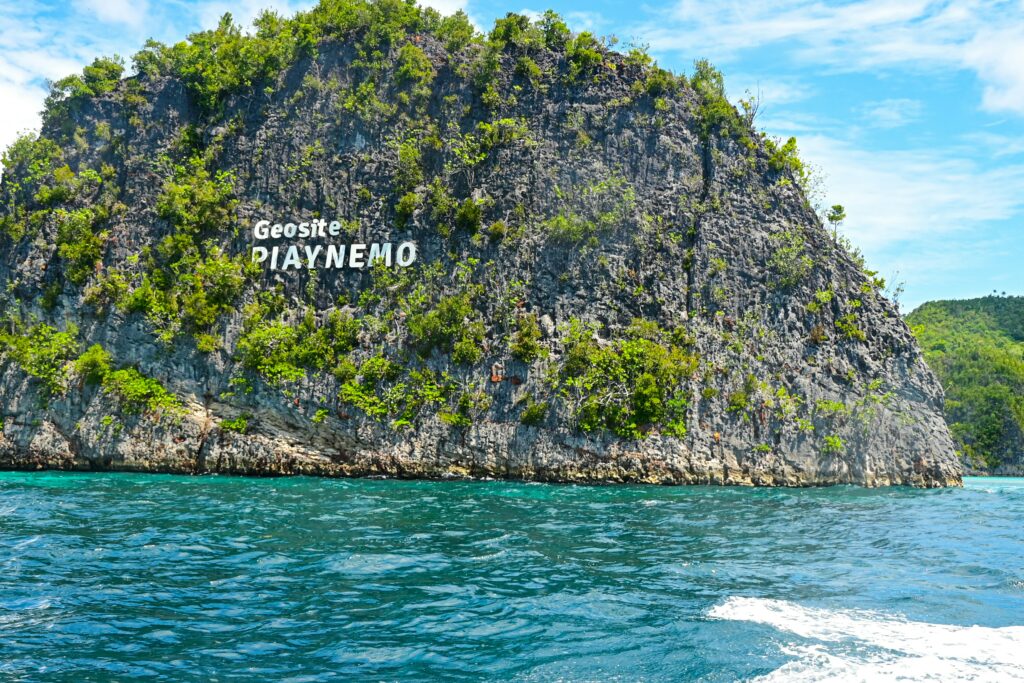
More travelers are ditching the checklist cities and heading somewhere quieter, weirder, more rooted. Offbeat destinations are on the rise, not just because people want to avoid tourist traps but because they’re chasing something real. Big cities with polished attractions are losing ground to places that don’t try as hard to impress. Think villages where the food isn’t optimized for influencers, or mountain towns with no cell signal but miles of footpaths.
Authenticity is the new luxury. In an attention economy where everything is staged, travelers are picking locations where cultural depth matters more than Instagrammability. It’s about sharing coffee with locals, not snapping selfies next to landmarks. Places that require a bit more effort to reach those are winning points for today’s adventure seekers.
And fewer crowds? That’s a bonus. It means stronger memories, better stories, and less stress. Modern explorers don’t want five star predictability; they want experiences that feel unrepeatable. A growing number are choosing meaning over mainstream, and that shift is reshaping the travel map in real time.
How Modern Map Tech Makes Discovery Smarter
Maps used to be two dimensional. You’d unfold them, squint, trace your finger along a road, and hope for the best. That era’s over. Today’s map tech isn’t just about directions it’s about understanding.
We’re now in the age of multi layered, dynamic maps. Terrain data shows where you’re going physically. Historical overlays reveal what happened there decades or centuries ago. Social data adds modern context: where people gather, tag, photograph, and talk. Stack these together, and you’ve got a living map that evolves in real time.
This shift matters because it surfaces what old school guidebooks miss. A forgotten hiking trail with ancient petroglyphs? A street in Seoul that’s trending for indie fashion, but hasn’t made it onto blogs yet? Visible, if you’re using the right platform.
Exploration in 2024 isn’t only about curiosity; it’s about tools. Find the layers. Read between them. That’s how you unlock the stories buried in the landscape.
Hidden Gems Through Pattern Recognition
Forget the algorithms pushing the same destinations on every travel list. Digging deeper starts with watching how users actually behave where they go, when they go, and how long they stay. User behavior clustering helps map platforms spotlight regions that fly under the radar. Places with consistent, low key activity often signal authentic experiences spots not overrun by influencers, but valued by those in the know.
Map overlays add another layer: stack social data with historical records, linguistic density, or even local event calendars, and anomalies start to pop. Why is that tiny village repeatedly tagged in local photo uploads but missing from mainstream travel sites? That’s the kind of cultural hiccup worth chasing.
Then there’s the inverse approach what’s missing? Sometimes, absence of data is the biggest clue of all. If a stretch of coastline has zero restaurant reviews but good trail coverage and community hiking pins, it might be a pristine detour, not a dead zone. Using silence on the map as signal, not noise, is where discovery really gets smart.
Real Time Discovery with Smarter Navigation

In today’s hyper connected travel landscape, real time navigation tools do more than get you from point A to B. They now enable spontaneous exploration, encouraging deeper connections with the places you pass and often ignore.
Smart Detours: Let the Route Surprise You
Traditional maps show the fastest route, but smart navigation systems now offer options that prioritize exploration over speed.
Live route suggestions based on traffic, weather, and local points of interest
Suggested scenic detours that pass nearby cultural or natural landmarks
Dynamic rerouting that encourages the traveler to say “yes” to the unexpected
Whether you’re avoiding congestion or just in the mood for discovery, smart tools can turn a simple transfer into a highlight.
Reading the Land: Topography Meets Experience
The shape of the land tells a hidden story. By interpreting topographical data more intentionally, travelers can unlock experiences layered into the landscape itself.
Mountain ridgelines that point to secluded viewpoints
Elevational gaps hinting at hidden waterfalls or ancient crossings
Integration of historical topography with modern road systems to uncover ancestral paths
Maps that overlay elevation and terrain with cultural data reveal connections between geography and local heritage.
Off the Tourist Trail: Beyond Roads Well Traveled
Relying on high traffic suggestions leads to the same photos, the same stops, and the same experience. To move beyond that, travelers are now using navigation tools to build alternatives.
Tailored routes focusing on quiet backroads, forest paths, or lesser known trails
Discovery of local festivals, markets, or ruins that are missed by most apps
Enhanced hiking paths that align with personal travel themes like wildlife watching or folklore
In essence, smarter navigation doesn’t just get you there it reveals where “there” could be. Road trips and hikes become more than movement; they become maps of memory.
Using ttweakmaps exploration tools
Discovering places that feel truly new starts with how you look at the map. Old school guidebooks point you in the same tired direction. Today’s travelers use interactive visuals that peel back the obvious and surface the obscure forgotten murals in alleyways, overgrown WW2 ruins, or handmade shrines locals never talk about. ttweakmaps leans into that discovery mindset.
What makes it different? You can filter by themes that actually mean something. Not just “restaurants” or “views,” but topics like street art, micro history, nature sounds, or abandoned architecture. The result? Every map turns into a curated lens that reflects your own interests, not a one size fits all travel feed.
And before you even lace up your boots, map based storytelling tools let you dig deep reading snippets, viewing layered insights, and connecting past with present. That pre trip context helps turn a random spot into part of a narrative, not just another pin. Explorers in 2024 want more than directions. They want relevance. That’s where tools like ttweakmaps step in.
Layering Personal Interests for Custom Results
Modern explorers are no longer satisfied with one size fits all travel recommendations. Instead, the most rewarding discoveries often come from aligning tech tools with individual curiosity. Custom mapping is shaping up to be a powerful way to find hyper specific gems and avoid the digital noise of mainstream attractions.
Combine Personal Tags with Geospatial Data
The new wave of mapping platforms makes it easier than ever to customize your exploration. By merging your own tags and interests with existing geospatial layers, you can uncover:
Niche trailheads that fit your preferred difficulty and scenery
Quiet coffee shops hidden from tourist radar
Local oddities and cultural quirks that don’t show up on general travel apps
These personalized tags act like digital breadcrumbs, helping you build a map that reflects your values, interests, and pace.
Build and Share Your Own Niche Adventure Maps
Whether you’re passionate about street art, vintage diners, or secluded natural spots, modern tools let you:
Create themed maps with layers tailored to your interests
Save and organize discoveries across locations
Share your maps with fellow travelers who appreciate curated, offbeat experiences
Collaborative discovery is part of the appeal your custom map becomes a living document others can add to, adapt, or navigate with their own lens.
Go Beyond the Hashtag with ttweakmaps
Platforms like ttweakmaps make all of the above not only possible but enjoyable. With interactive visuals and advanced filtering features, ttweakmaps helps you:
Surface hidden points of interest based on unique criteria
Apply both predefined and personal filters like history, nature, or urban oddities
Dive deep into locations long before you arrive, giving context and clarity to what you’ll experience
Best of all? These tools let you find places no one’s hashtagged yet quiet corners, offbeat detours, and local favorites still untouched by mass attention.
This level of intentional, map driven exploration empowers travelers to craft meaningful and memorable trips without relying on algorithm fed trends or overdone itineraries.
The Next Step: Discovery Without Digital Noise
In today’s oversaturated travel landscape, the ability to cut through the noise is invaluable. GPS apps, social feeds, and influencer reels can lead people to the same places but what if your goal is somewhere else entirely?
The Quiet Power of Map Exploration
Quiet mapping is the emerging approach to digital discovery. Rather than chasing what’s trending, it’s about filtering out the hype and marketing driven hotspots to uncover places that genuinely resonate with your interests.
De emphasize overcrowded or over tagged locations
Seek raw, unfiltered map data over curated travel lists
Use minimalist map styles that reduce visual clutter
Finding Balance: Tech Meets Intuition
Smart mapping tools are powerful, but they shouldn’t replace your instincts and personal curiosity. Let technology assist you without letting it dictate every stop.
Use map data to get close but explore on foot with an open mind
Note blank spaces on maps as opportunity zones
Prioritize places not pre packaged for tourism
Trust the Journey, Not Just the Coordinates
The most memorable discoveries often happen when you’re not looking for them. Let maps guide your framework but let curiosity lead the experience.
Allow time for spontaneous detours and unmarked paths
Be open to conversations with locals as discovery tools
Remember: a perfectly mapped journey still needs a willing traveler
Quiet mapping isn’t about rejecting technology it’s about using it with intention, so you can experience the world on your own terms.