Coastal Trails and Cliffside Views
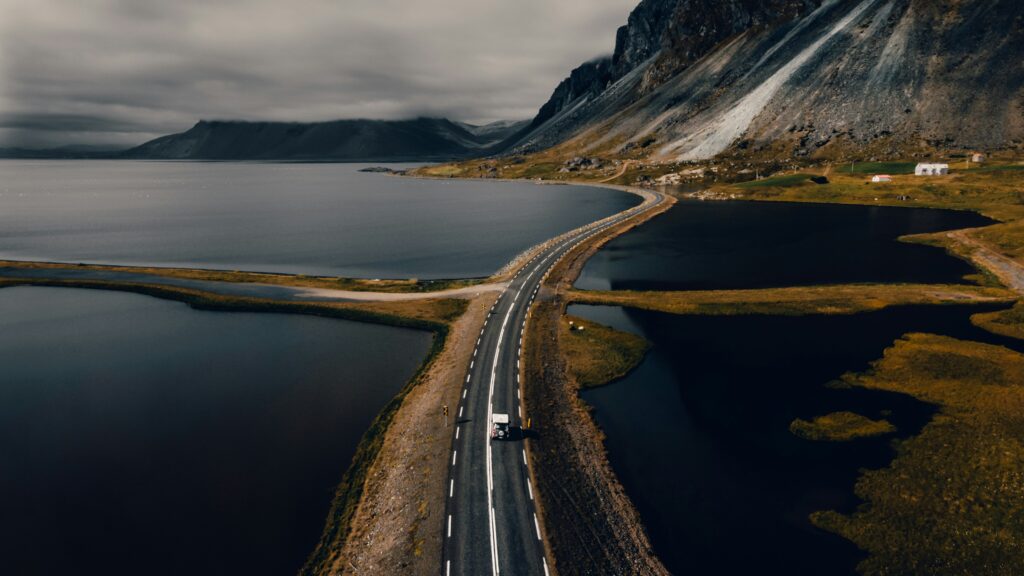
The eastern coast of Nummazaki doesn’t waste your time it puts nature front and center, no filter needed. Think steep cliffs dropping into clear blue water, long rugged trails that run parallel to the ocean, and nothing between you and the horizon.
One of the highlights here is the chain of natural rock formations scattered along the coast, shaped over centuries by salt, wind, and waves. These jagged giants draw all kinds photographers with tripods, hikers with worn boots, and casual wanderers who just want quiet with a view. Don’t expect silky boardwalks or gift shops nearby. These paths are raw bring good shoes, water, and enough time to walk slowly.
Golden hour? Aim for sunrise if you want solitude and soft light over the Pacific. Sunset brings drama: deep shadows, vivid skies, and rock faces that glow like embers. Just check the tide times if you’re near any beaches or coves, and pack a light jacket it cools off fast after the sun dips.
If you come here, come right. Respect the trails, leave no trash, and let the silence do some of the talking. This stretch of earth isn’t after attention. It earns it.
Hidden Mountain Lookouts
If you’re after drama without the drama of crowds, Nummazaki’s hidden peaks deliver. These aren’t in every travel brochure but ask any local and they’ll point you away from the tour buses.
Start with Kurotaki Ridge. It’s got raw, 360 degree views of both sea and inland forest, and you’ll likely share the summit with no one but silence. The hike is moderate about 90 minutes up from the gravel trailhead near Minami Station. You’ll want sturdy boots, layers (weather turns fast here), and a couple liters of water. Cell signal is shaky past the halfway point, so download your maps ahead of time.
For an even more low key gem, try Mount Hoshikage. Locals hike it at dawn for the quiet and the ocean fog, which rolls up over the cliffs like something out of a dream. The ascent is shorter around 45 minutes but it gets steep. Bring grippy shoes, a lightweight windbreaker, and a headlamp if you’re setting out early.
These panoramic peaks aren’t marked with flashy signs or snack stands. That’s the point. If you’ve got the boots and the time, they’ll give you views and stillness you can’t buy.
Lakes, Rivers, and Reflection Points
Nummazaki’s waterways aren’t just background scenery they’re experiences in their own right. Head to Lake Natori early in the morning and you’ll find a blanket of mist curling over still water, the only sound the dip of paddles from a passing kayak. In warmer months, the lake stays calm well past sunrise, making it a top spot for a slow float or a quiet recharge.
Rivers like the Kuroishi shimmer at dusk, especially near the low bridges east of the Old Market District. These spots draw locals armed with nothing but a camp chair and an appreciation for a good sunset.
Seasonal changes here hit hard in spring, cherry blossom petals drift across the water like snow. In fall, the banks explode with color so intense, photographers line up before dawn. Even winter gets its moment: partially frozen lakes reflect the cold blue sky for a scene that feels more Nordic than Japanese.
If you’re looking for scenes that feel untouched and unhurried, this part of Nummazaki delivers in every season.
Architectural Landmarks With a View
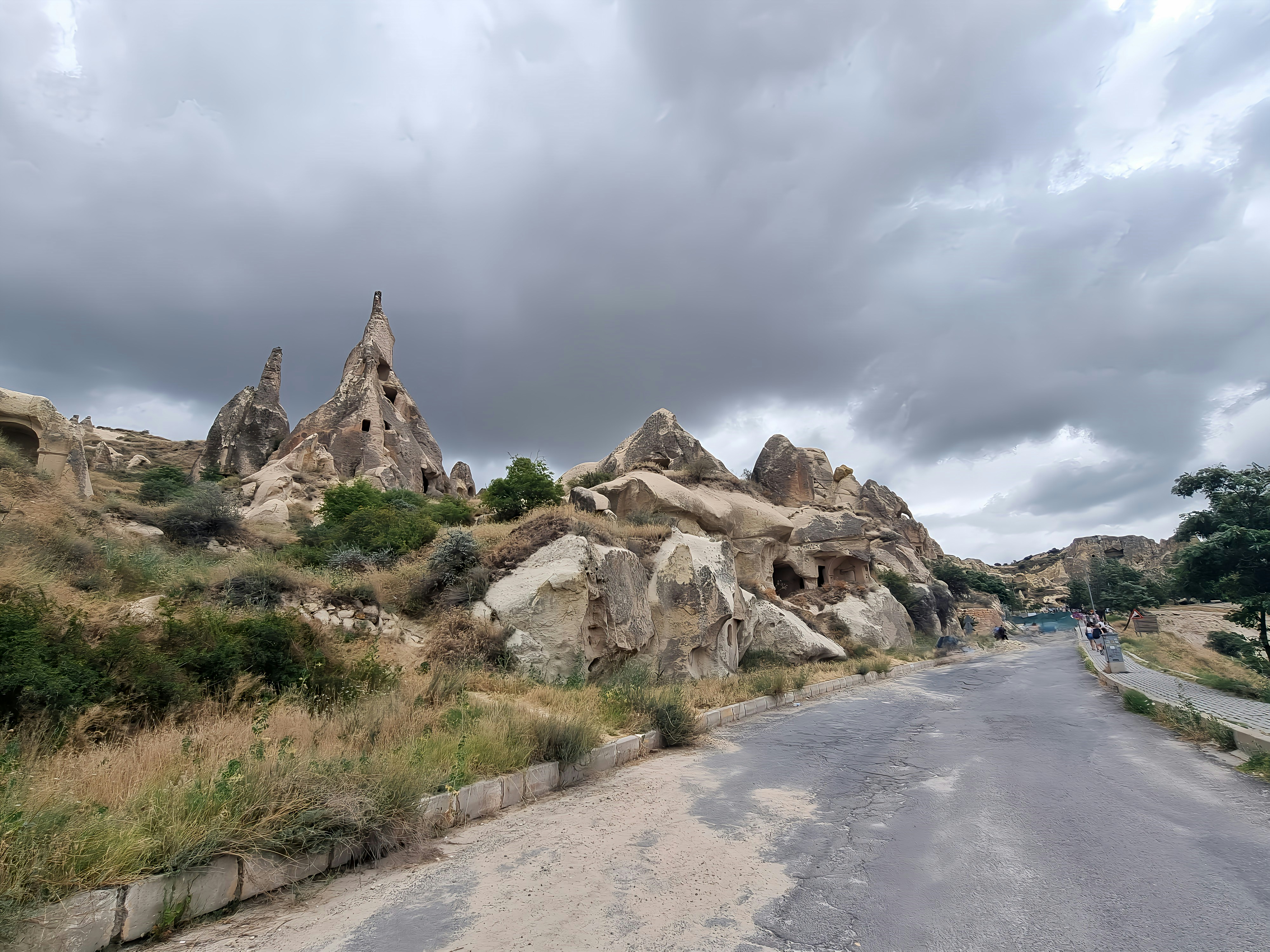
Nummazaki’s landscapes might pull you in, but its architecture keeps your eyes lingering. Scattered across its rugged cliffs and forested hills are shrines so old they seem carved by time itself. Think stone steps worn by centuries, torii gates silhouetted against crashing waves, and prayer halls perched with nothing but air and ocean beneath them. These structures weren’t just dropped into nature they were built to honor it.
Then there’s the contrast. Modern design doesn’t compete here; it collaborates. Newer landmarks use muted tones, natural materials, and clean lines that melt into their surroundings. A lookout pavilion might double as an art installation. A rest stop turns quietly into the hill it stands on. The idea is simple: stay humble next to the scenery.
To appreciate both old and new, slow your pace. Learn the histories of the shrines why they chose these cliffs, what rituals still happen there. Then sit still. Let the modern design frame the land like a window. Don’t just walk past stand, look, and let the space do its work. In Nummazaki, architecture isn’t there to impress it’s there to connect.
Must See Stops Along the Journey
Sometimes the best part of the trip isn’t the destination it’s what you find along the way. Nummazaki has its fair share of scenic detours and rest stops worth pulling over for. Think wooden observation decks tucked between pine trees, roadside flower fields that burst into color mid spring, and quiet benches overlooking cliff faces that drop into deep blue coastal waters. These aren’t your average pit stops they’re moments of stillness you didn’t know you needed.
When hunger hits or your legs need a break, aim for the local cafes with a view. A few spots serve hand roasted coffee just steps from scenic overlooks. One in particular, perched near the southern ridge trailhead, plates up fresh morning sets with wraparound windows that frame the sea perfect for a slow, cinematic breakfast before hitting the road again.
Looking for the full rundown? Check out the complete guide here: Visit Nummazaki Highlights
Photo Worthy Secrets Only Locals Know
Looking to capture scenes most travelers miss? Nummazaki has a quiet side one known only to locals and devoted explorers. These secluded spots aren’t found on postcard racks but offer some of the most memorable and atmospheric photo opportunities in the region.
Off the Beaten Path Destinations
Avoid the crowds and discover:
Woodland Ridge Overlook: A hidden coastal perch surrounded by mossy trails and centuries old trees.
The Fog Basin Trailhead: Early morning mist transforms this flatland route into a soft, dreamlike landscape.
Lantern Hill Garden: A tucked away shrine path lit by dappled light at golden hour ideal for moody silhouette shots.
These locations may require a bit more effort to reach, but deliver unmatched tranquility and atmosphere in return.
What Makes These Spots Special
Each hidden gem offers a distinct aesthetic perfect for photographers chasing not just beauty, but emotion:
Light: Soft backlighting in the early morning or late evening adds texture and depth.
Color: Seasonal changes (especially late spring and early autumn) shift the palette from lush green to rich amber and gold.
Mood: Whether it’s the hush of dawn or the rustle of untouched forest, the atmosphere alone can inspire a lasting image.
Plan Your Own Secret Adventure
Be prepared these areas lack signs or tourist info. Bring:
A light pack with water, snacks, and extra batteries
Offline maps or screenshots of trail markers
A respectful, leave no trace mindset
Want a fuller guide to Nummazaki’s scenic secrets? Dive deeper here: Visit Nummazaki Highlights
When and How to Capture the Best Scenery
Even in a place as naturally stunning as Nummazaki, timing and preparation can mean the difference between a good photo and a breathtaking one. This section offers strategic advice to help travelers and photographers get the best out of every shot.
Best Months to Visit
Certain locations in Nummazaki come alive depending on the season. Knowing when to go is key:
Spring (March May): Cherry blossoms and snow capped mountains create beautiful contrasts. Ideal for mountain lookouts and lakeside views.
Summer (June August): Clear skies and lush vegetation make coastal trails perfect for wide angle landscapes.
Autumn (September November): A painter’s palette of reds and golds blanket the hills amazing for cliffside and forest views.
Winter (December February): Coastal vantage points and shrines offer peaceful, misty scenes with sparse tourist footprints.
Pro Tips for Lighting, Timing & Gear Protection
The magic in a landscape often comes down to the details. These tips can elevate your visual storytelling:
Golden hours (just after sunrise and before sunset) offer the softest, warmest light.
Overcast days are ideal for avoiding harsh shadows and capturing richer colors.
Bring lens wipes and waterproof cases Nummazaki’s terrain and unpredictable weather demand it.
Shoot in RAW format when possible to preserve image detail.
Scout locations mid day then return during ideal lighting.
Mapping Out the Perfect Scenic Route
To maximize your time and capture the most diverse scenery:
Start inland at the hidden mountain lookouts during early morning.
Move toward the coast by midday for optimal cliff visibility.
Plan sunset sessions at the lakes or rivers for reflection based compositions.
Use local transit apps or hire a guide to minimize travel time between locations.
Careful planning ensures you don’t just see Nummazaki you experience it in full color and unforgettable light.
Final Recommendations For Visual Explorers
Balancing exploration with meaningful experiences is the key to truly appreciating Nummazaki’s diverse scenery. Whether you’re an avid photographer, a nature lover, or simply a traveler seeking inspiration, this region offers both iconic sights and hidden gems waiting to be discovered.
A Mix of the Well Known and the Unexpected
To get the most out of your trip, combine famous viewpoints with locally loved spots:
Iconic locations: Coastal viewpoints, historic shrines, and shimmering lakes offer guaranteed visual impact.
Under the radar gems: Look for quiet observation decks, small forest trails, and secluded hillside paths that locals frequent.
Insider tip: Visit well known spots at off peak hours or in uncommon seasons to experience them differently.
Sightseeing vs. Immersion
Taking in the scenery is one thing connecting with it is another. Try to slow down your journey and let the moment land.
Limit location hopping: Choose fewer locations and spend more time at each.
Talk to locals: They often share insight on when and where to experience the landscape best.
Engage the senses: Observe the sounds, textures, smells those details linger long after the photos fade.
From Snapshot to Memory
Capturing a great photo is satisfying, but capturing a memory is unforgettable. Here’s how to elevate your experience:
Set your camera aside occasionally and simply observe.
Journal your impressions or sketch scenes to absorb the atmosphere more deeply.
Travel in a way that respects and protects the environment so others can do the same.
In the end, Nummazaki rewards those who wander not just to see, but to feel. Use your lens wisely but let your heart be the guide.

 Brian Schreibertery has opinions about destination guides and highlights. Informed ones, backed by real experience — but opinions nonetheless, and they doesn't try to disguise them as neutral observation. They thinks a lot of what gets written about Destination Guides and Highlights, Travel Tips and Hacks, Packing and Preparation Tips is either too cautious to be useful or too confident to be credible, and they's work tends to sit deliberately in the space between those two failure modes.
Reading Brian's pieces, you get the sense of someone who has thought about this stuff seriously and arrived at actual conclusions — not just collected a range of perspectives and declined to pick one. That can be uncomfortable when they lands on something you disagree with. It's also why the writing is worth engaging with. Brian isn't interested in telling people what they want to hear. They is interested in telling them what they actually thinks, with enough reasoning behind it that you can push back if you want to. That kind of intellectual honesty is rarer than it should be.
What Brian is best at is the moment when a familiar topic reveals something unexpected — when the conventional wisdom turns out to be slightly off, or when a small shift in framing changes everything. They finds those moments consistently, which is why they's work tends to generate real discussion rather than just passive agreement.
Brian Schreibertery has opinions about destination guides and highlights. Informed ones, backed by real experience — but opinions nonetheless, and they doesn't try to disguise them as neutral observation. They thinks a lot of what gets written about Destination Guides and Highlights, Travel Tips and Hacks, Packing and Preparation Tips is either too cautious to be useful or too confident to be credible, and they's work tends to sit deliberately in the space between those two failure modes.
Reading Brian's pieces, you get the sense of someone who has thought about this stuff seriously and arrived at actual conclusions — not just collected a range of perspectives and declined to pick one. That can be uncomfortable when they lands on something you disagree with. It's also why the writing is worth engaging with. Brian isn't interested in telling people what they want to hear. They is interested in telling them what they actually thinks, with enough reasoning behind it that you can push back if you want to. That kind of intellectual honesty is rarer than it should be.
What Brian is best at is the moment when a familiar topic reveals something unexpected — when the conventional wisdom turns out to be slightly off, or when a small shift in framing changes everything. They finds those moments consistently, which is why they's work tends to generate real discussion rather than just passive agreement.