Hike the Iconic Trails
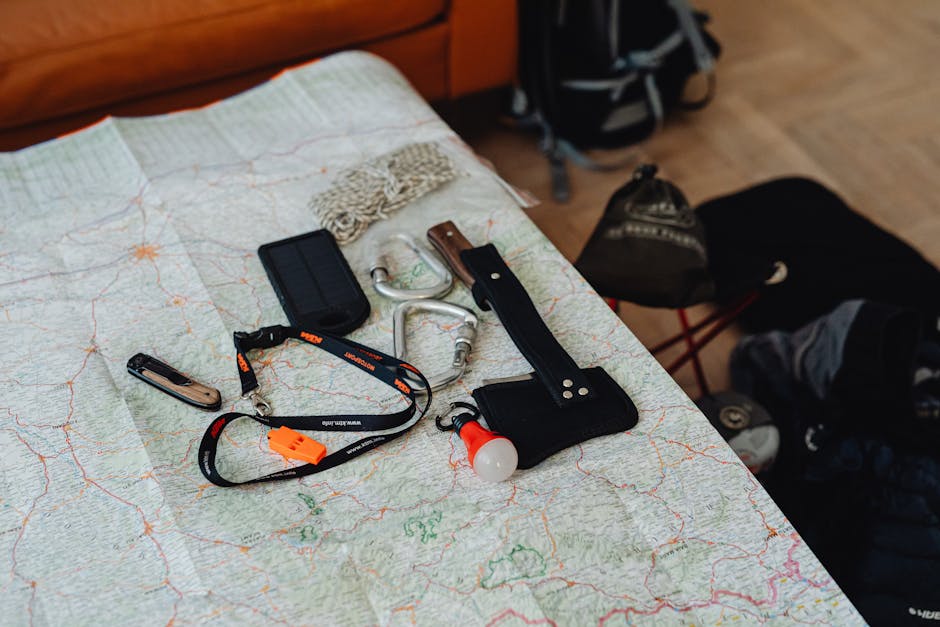
If there’s one thing New Zealand doesn’t do halfway, it’s hiking. From the legendary Milford Track with its cascading waterfalls, to the volcanic ridgelines of the Tongariro Alpine Crossing, the trails here don’t just lead you through the landscape they immerse you in it. This isn’t just exercise, it’s cinematic.
For those looking for the full experience, multi day hikes like the Routeburn and Kepler Tracks are standouts. These Great Walks serve up everything from alpine passes to mossy beech forests and glacier fed lakes. But don’t let their beauty fool you New Zealand’s weather flips fast. Clear skies can turn to sideways rain in hours, so pack with intent and don’t get cocky.
New to long hikes? No shame. It’s smart to start slow and informed. This Beginner’s Guide to Planning Your First Multi Day Hike covers the basics without fluff.
Whether you’re after solitude, sweat, or scenery, the trails here deliver. Step lightly and don’t forget to look up.
Explore by Kayak or Paddleboard
New Zealand doesn’t hold back when it comes to water based exploration. Kayaking the turquoise edges of Abel Tasman National Park is about as close as you’ll get to gliding through a postcard clear water, golden beaches, and little coves that feel untouched. For something bigger and moodier, Doubtful Sound delivers in spades. Carving quietly through dramatic fjords surrounded by steep rainforest cliffs, this isn’t your typical kayak trip. It’s remote, calm, and oddly humbling.
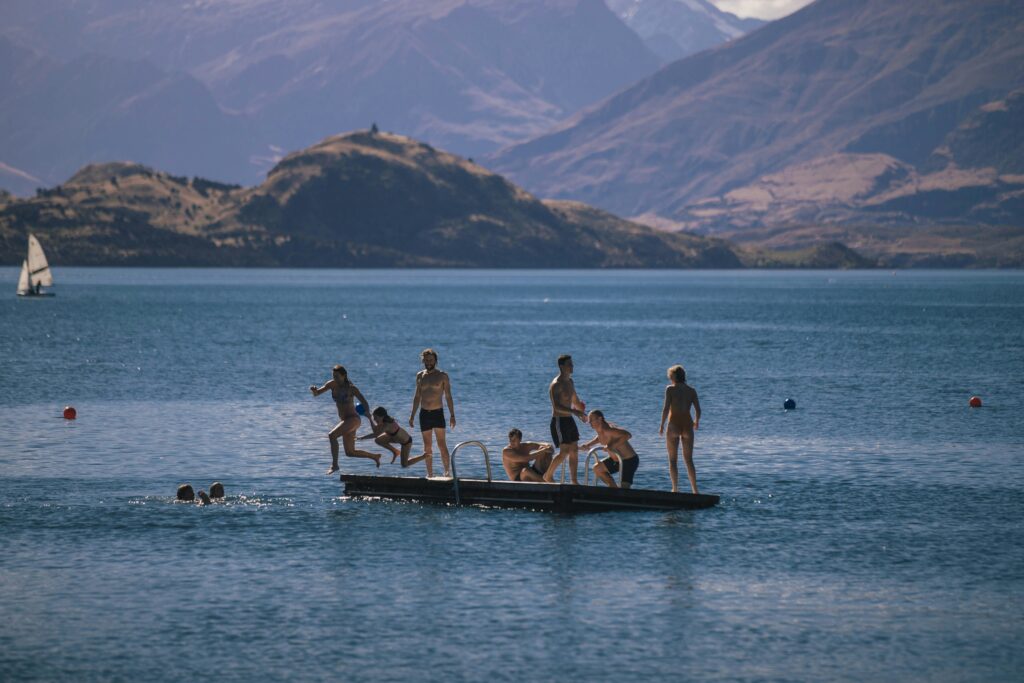
If you’d rather stay upright, stand up paddleboarding (SUP) is the move. Lake Wanaka and Lake Taupō offer wide open views, mirrored surfaces on calm mornings, and enough space to cruise without feeling crowded. It’s low impact but high reward perfect for beginners or anyone who just wants to unplug and drift along under an open sky.
Chase Adventure with Sky or Bungy

Queenstown doesn’t hand over its title lightly. In 2026, it still reigns as New Zealand’s undisputed adventure capital. The original thrill staples like the bungy off Kawarau Bridge are as popular as ever, offering a rite of passage for newcomers and adrenaline junkies alike. Skydives over the Remarkables add the kind of views your camera can’t do justice.
If it’s your first go, tandem jumps and beginner friendly options make the barrier to entry low just show up and let gravity do the rest. But for the ones who’ve done it all, there’s now wingsuit flying over Central Otago. It’s intense, it’s fast, and it’s not for the faint of heart. This is the evolution of adventure: more access for first timers, more edge for pros. Queenstown still delivers the pulse pounding lineup, just with new altitude.
Cycle the Epic Trails
Cycling in New Zealand goes beyond your average Sunday ride. The Alps 2 Ocean Cycle Trail racks up over 300 kilometers of changing terrain, starting near the base of Aoraki/Mount Cook and rolling all the way to the Pacific Ocean. You’ll cruise past glaciers, braided rivers, rolling farmland, and remote towns all at a pace that lets it sink in. It’s not a sprint. It’s a ride that gives you full permission to slow down, breathe, and take in the raw scale of the South Island.
If you’re after something faster and full of torque, Rotorua’s Redwoods Forest delivers. Its mountain biking network keeps evolving new tracks, better flow, and plenty of gear to go stations with GPS integrated rentals, so you can spend your time riding instead of fiddling with tech. Whether you’re a first timer or building your skill set, the Redwoods offer terrain for every level, with deep greens and soft dirt making each ride as scenic as it is adrenaline packed.
Discover by Water and Air
In Queenstown, jet boating down the Shotover River hasn’t lost its edge it’s still a high speed sprint through narrow canyons that’ll leave your heart racing. What’s new is the added layer of eco awareness. Operators now offer post ride eco tours, diving into the science behind braided river systems and how these fast moving waters shape the landscape. It’s adrenaline with a side of education.
If staying grounded isn’t your thing, helicopters in 2026 are breaking new ground literally and figuratively. Scenic flights now go deeper into Fiordland’s raw wilderness and circle high above Mount Cook, New Zealand’s highest peak. These aren’t your average tour loops; they offer angles and backcountry views once accessible only to veteran alpinists. Big air, bigger perspective.
Wildlife and Eco Tours on the Rise
Conservation led tourism is carving out more space in New Zealand’s adventure heavy landscape. Sanctuaries like Zealandia in Wellington are no longer niche attractions they’re bucket list stops. Visitors walk among native flora and fauna in predator free zones, guided by science backed restoration projects that are actually working. Head south to Otago and you’ll catch sight of rare species with a backdrop of rugged coastal cliffs or golden hilltops. It’s wild, but curated with care.
Kiwi spotting tours have also stepped up. Night walks, once a fading novelty, are turning into top tier experiences. Better infrastructure like low impact trails and infrared viewing tech makes the process more comfortable and respectful to wildlife. Tour guides are upping their game, too mixing storytelling with conservation facts to build deeper connections between travelers and the native species they came to see.
It’s not just sightseeing anymore. It’s a new kind of journey that values presence, attention, and leaving no mark behind.

 Brian Schreibertery has opinions about destination guides and highlights. Informed ones, backed by real experience — but opinions nonetheless, and they doesn't try to disguise them as neutral observation. They thinks a lot of what gets written about Destination Guides and Highlights, Travel Tips and Hacks, Packing and Preparation Tips is either too cautious to be useful or too confident to be credible, and they's work tends to sit deliberately in the space between those two failure modes.
Reading Brian's pieces, you get the sense of someone who has thought about this stuff seriously and arrived at actual conclusions — not just collected a range of perspectives and declined to pick one. That can be uncomfortable when they lands on something you disagree with. It's also why the writing is worth engaging with. Brian isn't interested in telling people what they want to hear. They is interested in telling them what they actually thinks, with enough reasoning behind it that you can push back if you want to. That kind of intellectual honesty is rarer than it should be.
What Brian is best at is the moment when a familiar topic reveals something unexpected — when the conventional wisdom turns out to be slightly off, or when a small shift in framing changes everything. They finds those moments consistently, which is why they's work tends to generate real discussion rather than just passive agreement.
Brian Schreibertery has opinions about destination guides and highlights. Informed ones, backed by real experience — but opinions nonetheless, and they doesn't try to disguise them as neutral observation. They thinks a lot of what gets written about Destination Guides and Highlights, Travel Tips and Hacks, Packing and Preparation Tips is either too cautious to be useful or too confident to be credible, and they's work tends to sit deliberately in the space between those two failure modes.
Reading Brian's pieces, you get the sense of someone who has thought about this stuff seriously and arrived at actual conclusions — not just collected a range of perspectives and declined to pick one. That can be uncomfortable when they lands on something you disagree with. It's also why the writing is worth engaging with. Brian isn't interested in telling people what they want to hear. They is interested in telling them what they actually thinks, with enough reasoning behind it that you can push back if you want to. That kind of intellectual honesty is rarer than it should be.
What Brian is best at is the moment when a familiar topic reveals something unexpected — when the conventional wisdom turns out to be slightly off, or when a small shift in framing changes everything. They finds those moments consistently, which is why they's work tends to generate real discussion rather than just passive agreement.