I’ve spent years watching travelers stare at their phones while walking past exactly what they came to see.
You’re probably here because you want more from your trips than following a blue dot from point A to point B. You sense there’s a better way to explore.
Here’s what I know: the best travel experiences happen when you understand the map, not just follow it.
Most people treat maps as simple direction tools. They miss the stories maps tell about terrain, neighborhoods, and places worth discovering. They end up on the same tourist loops everyone else follows.
I’ve navigated dense city streets and remote mountain trails. I’ve gotten lost and found things I wasn’t looking for. That’s when I learned that reading a map well changes everything about how you travel.
This guide will show you how to use maps as exploration tools. You’ll learn techniques that help you find hidden spots, understand landscapes, and plan routes that actually match what you want to experience.
We’ve tested these methods across different terrains and travel styles at ttweakmaps traveltweaks. We know what works when you’re trying to break free from generic itineraries.
You’ll discover how to read maps for context, spot opportunities others miss, and move through places with real awareness.
No complex cartography lessons. Just practical skills that make every trip richer.
The Modern Explorer’s Toolkit: Choosing the Right Map for Your Mission
I’ll be honest with you.
I used to think physical maps were dead. Why carry paper when your phone has everything?
Then I got stuck in the Scottish Highlands with 2% battery and zero cell service. That crumpled OS map I almost left behind? It saved my entire trip.
Here’s what most travelers get wrong. They pick one side and stick with it. Either they’re all-in on Google Maps or they’re purists who refuse to touch their phones.
Both approaches will let you down when it matters most.
The truth is simpler. Different situations need different tools. A waterproof topo map makes sense when you’re three hours into a backcountry hike. But pulling out a paper map to find a coffee shop in Tokyo? That’s just making life harder than it needs to be.
I’ve tested this across dozens of countries. What works is knowing when to use what.
For city exploration, your phone wins every time. Real-time transit updates and restaurant locations change too fast for paper. Download an offline map app before you arrive and you’re covered even without data.
For remote areas, physical maps aren’t optional. They don’t run out of battery. They show terrain features your phone screen can’t display clearly. And when you’re navigating by landmarks, having the full view spread out in front of you beats scrolling around a tiny screen.
But here’s where it gets interesting.
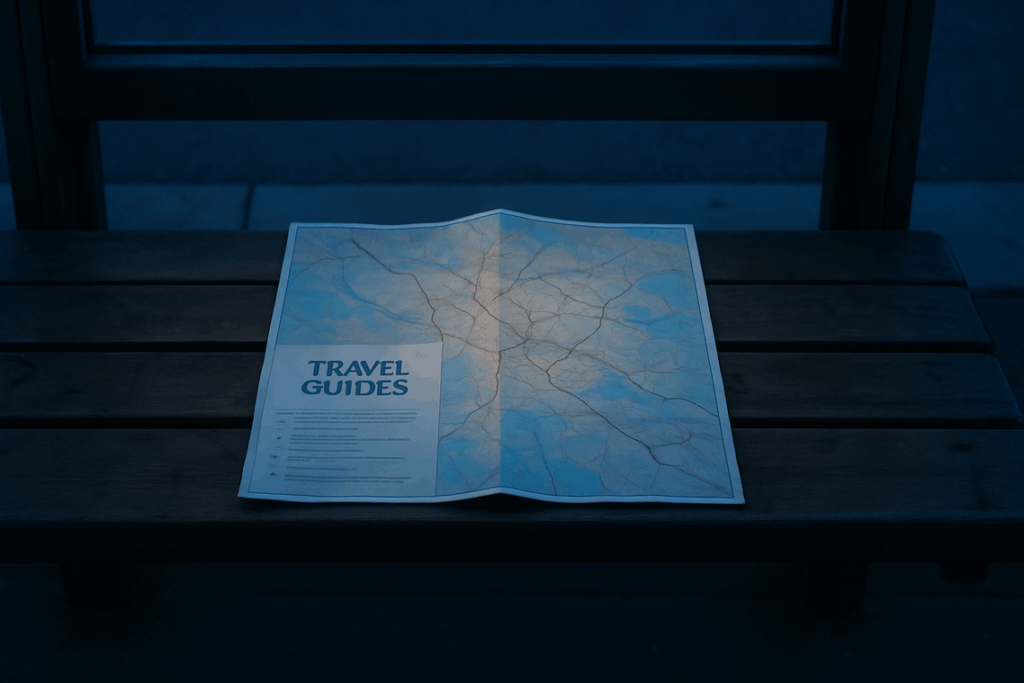
Specialty maps open up experiences most tourists never find. Transit maps help you move like a local instead of overpaying for taxis. Topographical maps reveal trails that don’t show up in guidebooks. I’ve even used culinary maps (yes, they exist) to track down family-run restaurants that would take years to discover otherwise.
Pro tip: Check out map guides ttweakmaps from traveltweaks before your next trip. They break down exactly which map types work best for different destinations.
The hybrid approach is what actually works. I use physical maps for planning my route over breakfast. Then I switch to digital for real-time navigation as I move through the day. By seamlessly integrating physical maps for my initial route planning with the dynamic capabilities of Ttweakmaps for real-time navigation, I’ve discovered the perfect balance for an efficient gaming day. By seamlessly integrating physical maps for my initial route planning with the dynamic capabilities of Ttweakmaps for real-time navigation, I can effortlessly adapt to any changes throughout my day.
It’s not complicated. Just practical.
From Lines to Landmarks: Pro Tips for Reading Any Map
I’ll be honest with you.
Most people look at a map and see a confusing mess of lines and symbols. They pull up their phone instead and let GPS do the thinking.
But that’s a mistake.
When your battery dies in the backcountry or you’re trying to find that hidden viewpoint locals won’t share online, you need to actually read a map. Not just glance at it.
Some folks will tell you that paper maps are outdated. Why bother learning when you have turn-by-turn directions in your pocket?
Here’s my take. Digital tools are great until they’re not. I’ve watched too many hikers get lost because they trusted their phone completely. No backup plan. No understanding of where they actually were.
Decoding the Legend
The legend isn’t just a box of random symbols you ignore.
It tells you everything about what you’re looking at. Water sources. Trail difficulty. Campgrounds. Even things like whether that road is paved or just a dirt track that’ll wreck your rental car.
I always start here before I look at anything else on the map. It takes 30 seconds and saves you from walking five miles to a “lake” that’s actually a seasonal pond.
The map guides ttweakmaps traveltweaks approach this differently than most resources. They focus on practical application over theory.
Understanding Scale and Orientation
Scale is where people mess up the most.
That inch on your map might represent one mile. Or ten. If you don’t check, you’ll plan a casual afternoon hike that turns into an overnight ordeal.
I use my thumb as a quick reference. Once I know what distance my thumb covers on the map, I can estimate routes without pulling out a ruler every time.
For orientation, forget about always having a compass. Look at your surroundings. Find a landmark you can see both in real life and on your map. Line them up. Now you know which direction you’re facing.
Reading Topography for Adventure
Contour lines changed how I explore.
Those squiggly brown lines show elevation changes. Lines close together? Steep climb ahead. Lines far apart? Gentle slope. No lines? Flat ground. Map Guide Ttweakmaps Traveltweaks is where I take this idea even further.
Once you understand this, you can spot the best viewpoints before you even leave home. You can avoid brutal climbs when you’re tired. You can find valleys that might have water.
I look for saddles between peaks (where contour lines form an hourglass shape). They’re usually the easiest way to cross a ridge. Way better than trying to go straight up and over.
Strategic Itinerary Planning: Weaving Your Map into Your Journey
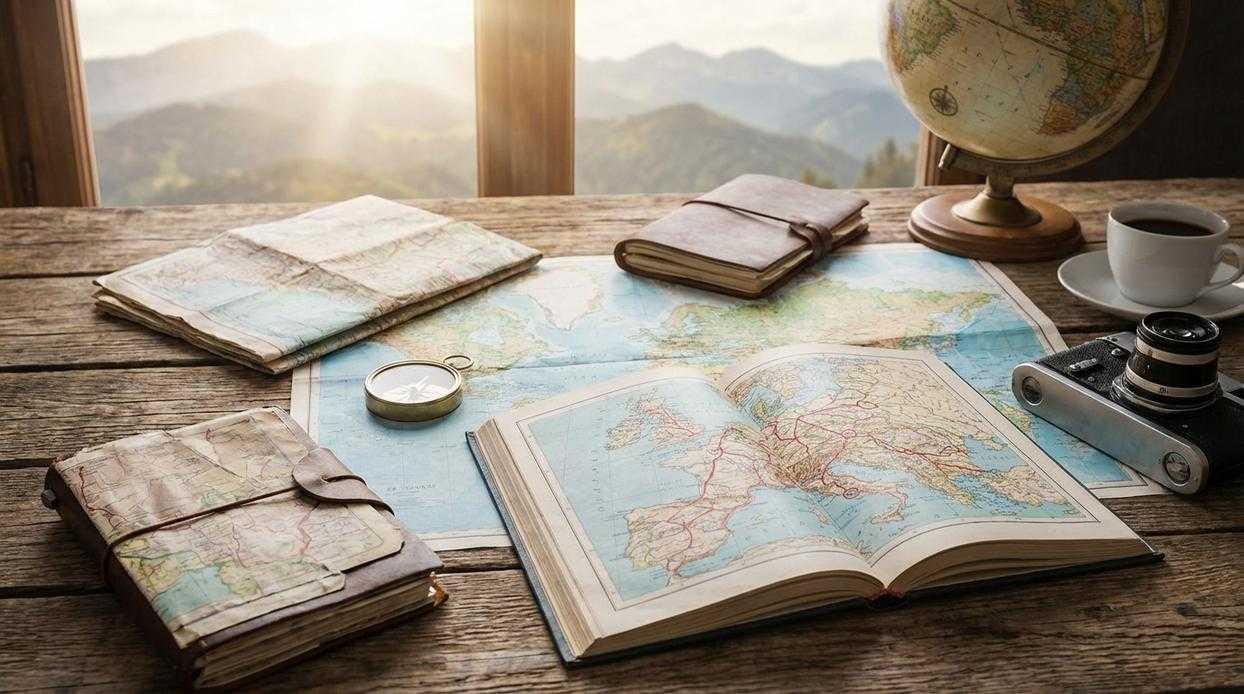
Most travelers plan backwards.
They book the hotel first. Then they figure out what’s nearby. Then they realize they’re spending half their trip in transit.
I learned this the hard way in Barcelona. Stayed in a beautiful spot that looked central on the booking site. Turned out I was burning two hours a day just getting to the places I actually wanted to see.
Here’s what I do now.
I start with the map guide ttweakmaps from traveltweaks and work outward. Find a hub that puts me within striking distance of everything that matters.
The hub and spoke approach saves you.
Pick one base. Mark every spot you want to visit. Draw rough circles around clusters of places. If most of your destinations fall within a 30-minute radius of one neighborhood, that’s your answer. For a seamless planning experience in your next adventure, consider utilizing the Map Guide Ttweakmaps From Traveltweaks, which allows you to easily mark your desired spots and visualize clusters within a convenient radius. For a seamless planning experience in your next adventure, consider utilizing the Map Guide Ttweakmaps From Traveltweaks, which allows you to effortlessly visualize your itinerary and ensure that all your desired destinations are conveniently clustered within a manageable distance.
Some people swear by moving hotels every few days to stay closer to different areas. And sure, that works if you love packing and checking in repeatedly. I don’t.
I’d rather wake up in the same bed and take a slightly longer train ride.
But here’s where it gets interesting. Once you have your hub, you can start connecting dots that actually tell a story.
I call it the cultural thread method. You’re not just hitting random landmarks. You’re plotting a route that flows. A 16th-century church leads to the market where locals have shopped for generations, which puts you two blocks from that family-run restaurant everyone talks about.
This is how you feel a place instead of just photographing it.
Before I leave home, I mark the boring stuff too. ATMs that don’t charge tourist fees. The pharmacy that’s open late. Public restrooms (because let’s be honest, you’ll need them).
It sounds tedious. But when you’re three days into your trip and you know exactly where to find what you need? That’s when the planning pays off. This connects directly to what I discuss in Map Guide Ttweakmaps by Traveltweaks.
You stop wandering aimlessly and start moving with purpose.
Actionable Travel Hacks Powered by Map Awareness
I still remember the first time I found a hidden waterfall in Costa Rica.
It wasn’t in any guidebook. Just a thin blue line on my topographical map that looked different from the others.
That’s what map awareness does. It turns you into a detective instead of a tourist.
Finding ‘Off-the-Grid’ Gems
Here’s what I do before every trip. I zoom in on my destination map and look for the weird stuff.
Unnamed trails that dead-end near water. Those usually lead somewhere special. A viewpoint. A swimming hole. Something locals know about but tourists miss.
Small green patches between buildings. In cities, these pocket parks often have the best people-watching. You can smell fresh bread from nearby bakeries and hear conversations in the local language instead of English.
Streets with odd names. Seriously. “Crooked Lane” or “Hidden Alley” exist for a reason.
The map guides at ttweakmaps traveltweaks taught me this. Look for anomalies. They’re breadcrumbs.
Packing and Preparation Tip
I used to overpack every single trip.
Then I started checking my maps during the packing phase. A topographical map with tight contour lines? I need hiking boots and layers because I’m going up. A city transit map with subway stops every few blocks? Comfortable walking shoes and a light daypack.
You can feel the difference when you pack right. No blisters from the wrong shoes. No sweating through a heavy jacket you didn’t need.
Safety and Situational Awareness
Map awareness keeps you safe in ways you don’t expect.
When you know your map, you recognize when things feel off. The street names stop matching what you memorized. The buildings look more run-down than they should.
That gut feeling? It’s your brain telling you the visual landscape doesn’t match your mental map.
I always identify main roads before I start wandering. That way, if I need to get back to safety, I know which direction to walk. No panic. Just a quick mental check and a course correction. Before I dive into the depths of a new game world, I always consult the Map Guides Ttweakmaps From Traveltweaks to ensure I can navigate back to safety without a hint of panic. Before I dive into the depths of a new game world, I always consult the Map Guides Ttweakmaps From Traveltweaks to ensure I have a solid understanding of the terrain and can navigate my way back to safety if needed.
Travel with Confidence and Curiosity
You now have the tools to turn your trips into real explorations.
I’ve shown you how to break free from the tourist bubble. It starts with putting down your phone and picking up a map.
When you rely only on that GPS dot, you miss everything. The side streets. The local spots. The moments that make travel worth it.
Maps change how you experience a place. They help you plan smarter and give you the confidence to wander. You start seeing patterns in neighborhoods and connections between landmarks that a screen never shows you.
Here’s what I want you to do: On your next trip, start with the map. Study it before you leave home. Mark the places that interest you and trace the routes between them.
Let the map be your guide to where you’re going. But more than that, let it lead you to the experiences you’ll remember years from now.
The best trips happen when you know enough to explore freely. That’s what map guides ttweakmaps traveltweaks gives you.
Your next adventure is waiting. Go find it.

 Ask Norvain Quenthos how they got into travel tips and hacks and you'll probably get a longer answer than you expected. The short version: Norvain started doing it, got genuinely hooked, and at some point realized they had accumulated enough hard-won knowledge that it would be a waste not to share it. So they started writing.
What makes Norvain worth reading is that they skips the obvious stuff. Nobody needs another surface-level take on Travel Tips and Hacks, Adventure and Outdoor Activities, Travel Planning Resources. What readers actually want is the nuance — the part that only becomes clear after you've made a few mistakes and figured out why. That's the territory Norvain operates in. The writing is direct, occasionally blunt, and always built around what's actually true rather than what sounds good in an article. They has little patience for filler, which means they's pieces tend to be denser with real information than the average post on the same subject.
Norvain doesn't write to impress anyone. They writes because they has things to say that they genuinely thinks people should hear. That motivation — basic as it sounds — produces something noticeably different from content written for clicks or word count. Readers pick up on it. The comments on Norvain's work tend to reflect that.
Ask Norvain Quenthos how they got into travel tips and hacks and you'll probably get a longer answer than you expected. The short version: Norvain started doing it, got genuinely hooked, and at some point realized they had accumulated enough hard-won knowledge that it would be a waste not to share it. So they started writing.
What makes Norvain worth reading is that they skips the obvious stuff. Nobody needs another surface-level take on Travel Tips and Hacks, Adventure and Outdoor Activities, Travel Planning Resources. What readers actually want is the nuance — the part that only becomes clear after you've made a few mistakes and figured out why. That's the territory Norvain operates in. The writing is direct, occasionally blunt, and always built around what's actually true rather than what sounds good in an article. They has little patience for filler, which means they's pieces tend to be denser with real information than the average post on the same subject.
Norvain doesn't write to impress anyone. They writes because they has things to say that they genuinely thinks people should hear. That motivation — basic as it sounds — produces something noticeably different from content written for clicks or word count. Readers pick up on it. The comments on Norvain's work tend to reflect that.