
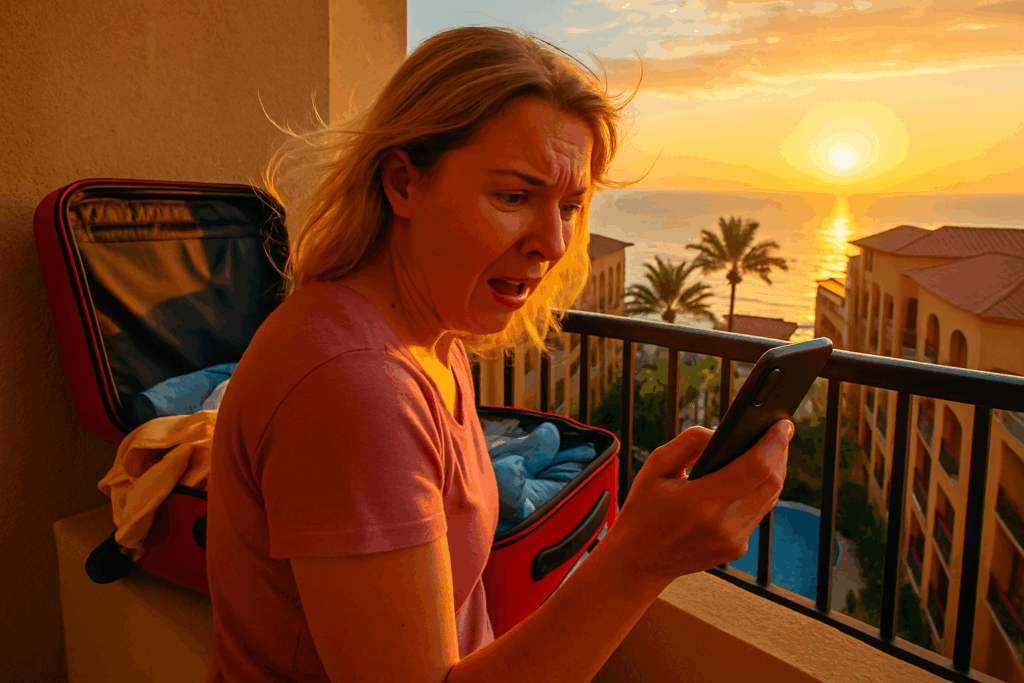
Skipping Research on Local Customs
Traveling abroad isn’t just about sightseeing it’s also about entering someone else’s cultural space. A little research can make a big difference in how you’re perceived and how smoothly your trip goes. Overlooking local customs can unintentionally cause offense or embarrassment. Here’s how to avoid that.
Why a Little Research Goes a Long Way
Doing basic homework on your destination’s etiquette not only shows respect it also enhances your travel experience. Whether you’re meeting locals, attending a cultural event, or dining out, knowing what’s expected helps you blend in more easily and avoid awkward moments.
Learn basic do’s and don’ts before you go
Understand the significance of gestures, personal space, and punctuality
Recognize moments where politeness expectations differ from your own
Key Areas to Pay Attention To
Dress Codes
What’s considered modest or appropriate varies widely around the world. From covering your shoulders at religious sites to avoiding flashy accessories in conservative towns:
Always check if certain attire is required in public places
Have adaptable clothing options like scarves or layers
Remember: comfort shouldn’t override cultural sensitivity
Greetings
First impressions matter, and greetings are cultural cues. In some countries, a handshake is customary; in others, it may be a bow, a kiss on the cheek, or simply a verbal exchange.
Learn the proper way to say hello and goodbye
Understand when and if physical contact is acceptable
Don’t assume your way is the only way
Dining Etiquette
Sharing a meal is often a central cultural experience, but table manners vary greatly.
Research common dining customs (e.g., tipping norms, utensil use, communal eating)
In some cultures, finishing all your food is polite; in others, it can be rude
Take cues from your host or the locals seated near you
Avoiding Accidental Disrespect
What seems normal to you might be considered rude elsewhere. Missteps can be forgiven, but it’s better to avoid them by being informed.
Watch local behavior and mimic respectfully
When in doubt, ask or observe before acting
Respect is appreciated, even when the effort isn’t perfect
In short: be mindful, stay curious, and always take the time to learn before you land.
Ignoring Currency and Payment Nuances
Think your credit card will get you through every part of your trip? Think again. Plenty of shops and restaurants abroad still run on cash, especially in small towns, markets, or less touristy spots. Some places take cards but only ones tied to local payment networks. Others might tack on hidden foreign transaction fees that make souvenirs cost more than they should.
Currency conversion is another trap. Dynamic currency conversion at ATMs or card terminals often offers poor exchange rates. Stick to withdrawing local currency from a reputable ATM and let your bank handle the conversion. Better rates, fewer headaches.
Before you even pack, call your bank. Let them know you’re traveling. Otherwise, that overseas charge could get flagged and your card might stop working mid trip. Awkward at dinner. Worse in an emergency.
Bottom line: always carry some local cash. It doesn’t need to be a lot, but enough to get you through a couple meals, a cab, or tips. Having backup means not scrambling when tech fails.
Overpacking (and Underpacking)
Packing is where most travel mistakes begin. It’s tempting to throw in every “just in case” outfit, but your back and that carry on zipper will disagree fast. A flexible wardrobe doesn’t mean packing everything you own. It means selecting pieces that layer well, work in multiple settings, and fit the climate you’re heading into. Neutral colors, breathable fabrics, and one pair of solid shoes go farther than five trendy outfits you’ll never wear.
Travelers always forget something. Rain jackets. Power adapters. Prescription meds. And they always regret it when they’re drenched, powerless, or standing in a pharmacy trying to mime “allergy pills.” Make a checklist, and double check it against your itinerary. Going rural? You won’t just pick up whatever you need. Going to a colder climate? Better insulation matters more than one extra swimsuit.
Last rule: pack for the days you’ll actually live, not the fantasy version of your trip. If your days are stacked with walking or transit, leave the formalwear. If your Airbnb has laundry, you don’t need ten pairs of socks. Lean luggage means smoother travel. Always.
Not Having Offline Tools Ready
When traveling abroad, you can’t always count on having a strong Wi Fi connection or affordable roaming access. Having key tools available offline can save you serious time and stress when you’re in unfamiliar territory.
Why You Can’t Count on Connectivity
International roaming charges can add up quickly
Not all areas will have reliable or secure internet access
Wi Fi may not be available when you need it most especially in transit or remote locations
Essentials to Download Before You Go
Preparing offline tools ensures you’re not left stranded if your connection drops. Here are must haves to keep on hand:
Offline maps of your destination city or region
Translation apps with downloadable language packs (Google Translate and others offer this)
Your accommodation info and emergency contacts, saved locally on your phone or printed
Stay Sorted With Smart Navigation Tools
Not sure where to start? Use resources like destination map help to find curated offline navigation tools designed for specific locations and travel styles. They’re especially helpful for:
Customized local transit tips
Must see spots that don’t require heavy data use
Navigational overviews to avoid getting turned around
Being prepared offline isn’t just about convenience it’s a backup plan that could make or break your day.
Booking Accommodations Too Late

Waiting until the last minute to book your stay might seem harmless until you’re stuck paying double for a place miles from where you want to be. Procrastination doesn’t just drain your wallet, it limits your options. The best deals and most conveniently located spots are usually gone early. What’s left? Overpriced hotels or sketchy listings far from public transport and the places you actually want to see.
Having flexible travel dates is one of the easiest ways to outsmart the system. Shifting your stay by just a day or two can mean major savings. Most booking platforms let you play with dates use that. Weekdays are often cheaper than weekends. Off season beats peak season every time.
Balance is key. Don’t let a super cheap rate lure you to a neighborhood that feels unsafe at night. Cross check reviews. Look at the map. See if there’s public transit, decent food nearby, and solid Wi Fi. Price, location, safety you want all three. And you can usually get them if you start early and stay flexible.
Being Unaware of Safety and Scams
Every seasoned traveler has a story about getting duped or nearly scammed. Whether it’s the overpriced tuk tuk ride, the “broken” taxi meter, or the friendly local with a too good to be true tour deal, tourist traps are everywhere. They’re avoidable if you’re alert. Do a quick search on common scams in your destination before you go. Forums like Reddit and TripAdvisor are goldmines for firsthand red flags.
Safe transport starts before you land. Use reputable apps or licensed cabs, especially at airports. If local transit is your plan, check schedules and stick to busy, well lit stations. At night, avoid solo travel where possible. Same goes for where you sleep: read reviews, check how late the front desk is staffed, and confirm that doors actually lock. A good price means nothing if you don’t feel safe.
Always know how to reach help, fast. Look up the local equivalent of 911 every country has one. Save it in your phone, along with the nearest embassy or consulate. You don’t need to obsess over danger, but you do need a basic playbook. A little caution goes a long way when you’re on unfamiliar ground.
Relying Too Heavily on Your Native Language
No one’s asking you to master a new language before a trip. But learning a few key phrases “hello,” “thank you,” “where is the bathroom?” can go a long way. It’s the kind of small effort that pays off fast. Locals notice. It shows respect, curiosity, and humility. All good things when you’re stepping into someone else’s world.
Translation apps help in a pinch, sure. But they’re not perfect, and fumbling through your phone mid conversation doesn’t scream confidence. What often works better? Basic body language and tone. A friendly smile, a nod, or open palms say more than most apps ever could.
Bottom line: You don’t need fluency. Just show you’re trying. People are a lot more likely to help if they see you’ve made the effort to meet them halfway.
Skipping Navigation Prep
When you’re in a new country, getting lost isn’t always the charming adventure travel blogs make it out to be. Especially when you’re jet lagged, carrying your luggage, or trying to catch a train.
Why It’s More Than Just an Inconvenience
Being stranded in an unfamiliar place can be stressful and unsafe
Poor signage or language barriers can make navigation harder than expected
Taxis and ride shares may not be immediately available in every area
Hacks to Stay Oriented
To avoid turning your trip into a logistical mess, a little navigation prep can go a long way:
Download offline maps of all cities and regions you’ll visit
Mark key places ahead of time: hotel, airport, transit stations, embassy or consulate
Plot backup routes in case transportation options fall through
Use Smart Navigation Tools
Reliable resources make a big difference when you’re on the move. Tools like destination map help offer curated guides tailored to specific regions. These can help you:
Navigate transportation systems
Find walking paths and alternative routes
Plan with region specific details you won’t get from generic maps
Pro Tip: Low Battery, No Problem
Always carry a small power bank. A dead phone is a guaranteed way to turn a minor wrong turn into a major hassle.
Navigation doesn’t have to be perfect but it does need to be planned. A quick prep session before you leave your hotel can save you both time and stress on the road.
Forgetting Travel Insurance
You don’t need a month long trek across remote terrain to justify travel insurance. Even a quick weekend jaunt can go sideways fast a cancelled flight, lost luggage, or a sudden illness in a country where hospital bills hit hard and fast. Travel insurance isn’t about being paranoid; it’s about not being caught off guard when things don’t go as planned.
Emergency coverage is the backbone here. Make sure your policy handles overseas medical care, not just reimbursement delays. Lost bags and delayed flights sound minor until you’re stranded without essentials. That’s where the peace of mind kicks in: knowing the cost and chaos are someone else’s problem.
And don’t just go for the cheapest policy. Skim the fine print. Some plans won’t cover high risk activities, canceled tours, or even basic theft. Look for coverage that matches the way you actually travel, not just the one size fits all deal. You don’t have to over insure, but under insuring is asking for trouble.
Final Check: Smart Habits That Save Big Headaches
It’s not dramatic. It’s just smart. Before you head out, photocopy your passport, license, visa pages anything that could take weeks to replace. Keep the copies in a separate bag or upload them to a secure cloud folder. If things go sideways, you’ll be glad you did.
Same goes for money. Don’t stash all your cash in one wallet or pocket. Split it between your bags, maybe hide a bill or two in a sock or an old toiletry pouch. If something gets lost or stolen, you don’t lose everything.
Above all, travel with your head on. Stay aware of your surroundings, watch your stuff, and don’t second guess your gut. Be ready to change plans if something feels off. Flexibility isn’t a luxury it’s a survival skill on the road.

 As the co-founder of TTweakMaps. Norvain Quenthos combines strategic insights with a deep passion for world exploration. He specializes in crafting travel guides, route plans, and detailed itineraries that make travel easier and more meaningful for every kind of traveler.