
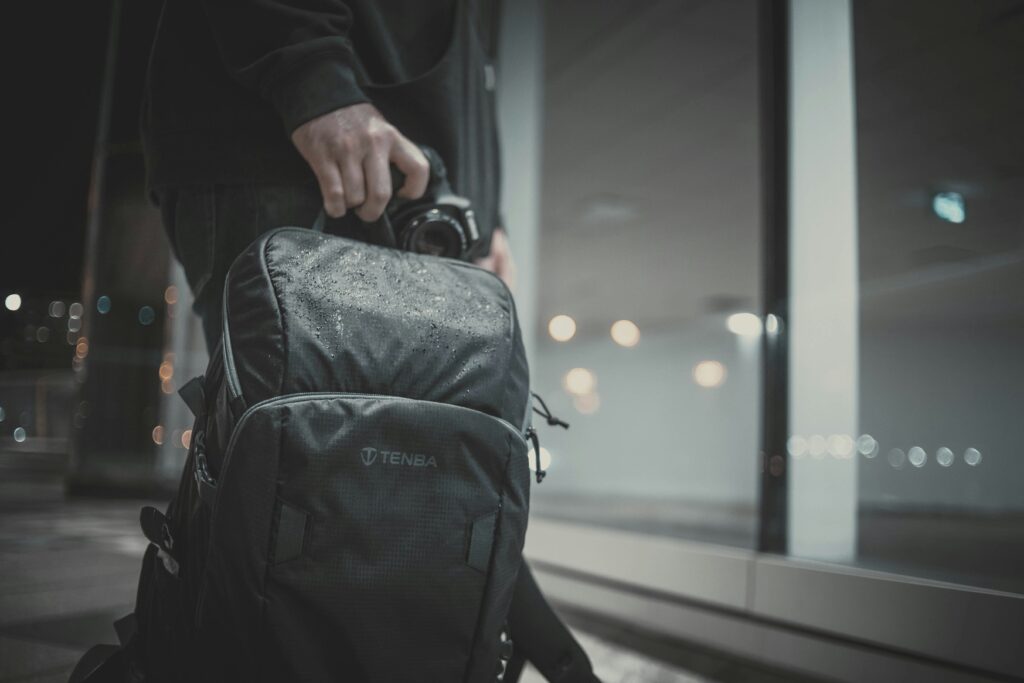
Pack Light, Pack Right
Overpacking is a rookie mistake. If you’re staring at something wondering whether to bring it, leave it behind. You won’t use it. Stick to the essentials gear that serves a clear purpose or works in more than one situation. The less you bring, the less you carry, and the freer you move.
Focus on multi use clothing. Lightweight, quick dry layers are gold on the road. A packable rain jacket can double as a windbreaker. One well chosen outfit can stretch across climates if you layer smart.
And when you pack? Roll it. Folding is neat, sure, but rolling saves space, avoids creases, and gives you quick access to what you need without tearing your bag apart. Keep it lean, tight, and efficient.
Invest in Quality Footwear
Your Feet Are Your Transportation
When you’re backpacking, your shoes are more than just part of the outfit they’re your daily vehicle. Whether you’re trekking through cities or hitting mountain trails, poor footwear can ruin your trip faster than a lost passport.
Why this matters:
Blisters, fatigue, and injuries are common with subpar shoes
You’ll likely be on your feet most of the day
You can’t enjoy a destination if your feet are begging for mercy
Break Them In Before You Go
Never take brand new shoes on a backpacking trip. Breaking them in ahead of time will help avoid blisters, pressure points, or other foot related headaches.
How to prep your shoes:
Wear them daily for at least two weeks pre trip
Test them on surfaces you’ll likely encounter
Check fit with the socks you’ll actually be packing
Choose the Right Shoe for the Right Terrain
Backpacking doesn’t mean one shoe fits all. Evaluate your destination and balance city comfort with outdoor toughness.
Look for features like:
Durable soles with grip for rough surfaces
Water resistance for unexpected weather
Breathable fabric to avoid overheating
A good pair of shoes isn’t just a nice to have it’s one of your trip’s smartest investments.
Bring a Detailed Map Backup
Your phone isn’t invincible. Batteries die, and cell service gets patchy fast once you’re out of urban reach. Don’t gamble on full bars when you’re halfway up a trail in a new country. Always download offline maps before you set out Google Maps, Maps.me, or whatever you trust. No signal should never mean no sense of direction.
Still, digital fails happen. That’s where a physical map steps in not just as backup, but as a plan saver. Especially if you’re trekking through areas with no infrastructure. If you want something beyond flimsy hostel handouts, consider this detailed map guide—made for real travel, not just souvenir shelves.
Tech helps. But paper still wins when it really counts.
Learn Basic Local Phrases
Don’t rely on Wi Fi to bail you out when it’s time to ask for directions or order food. Translation apps are great until your signal vanishes. A handful of core phrases go way further than you’d think.
Learn the basics: “hello,” “thank you,” “goodbye,” and definitely “where’s the bathroom?” Bonus points for “how much?” and “do you speak English?” These small efforts often open up more doors than perfect grammar ever could.
Locals usually respect the attempt, even if you butcher the accent. It shows you care enough to try, and that you’re not just a tourist skimming the surface. It makes travel smoother and a lot friendlier.
Write them down, repeat them to yourself, or download them for quick reference. Either way, don’t skip this step. It’s lightweight prep with heavy returns.
Use Compression and Cubes

Packing chaos kills efficiency. One of the simplest fixes? Organize by function. Keep your sleepwear in one cube, daywear in another, and stash the dirty stuff in a sealed, separate pouch. This isn’t just about neatness it’s about speed. When you roll into a new hostel or need to change layers on a moving bus, you want to reach in and grab exactly what you need without digging through every sock you own.
Compression cubes aren’t just nice to have they’re pack savers. They squeeze out the extra air, keep your bag lean, and make gear stacking a breeze. Think of them as file folders for your clothes: smart, tight, and easy to thumb through.
At the end of the day, this method keeps you organized, moving quicker, and looking less like someone who lost a fight with their backpack.
Travel Insurance Isn’t Optional
Traveling light doesn’t mean skipping protection. Travel insurance can be the difference between a minor hiccup and a trip ruining disaster. Whether it’s a lost backpack, an unexpected ER visit, or a last minute flight cancellation, having coverage gives you peace of mind when everything else feels uncertain.
Why It Matters
Lost gear? Insurance helps reimburse valuables that disappear in transit.
Medical emergencies? Most standard plans cover urgent care abroad, including hospital visits.
Flight delays or cancellations? Travel coverage can help you recoup costs or fund unexpected overnight stays.
Choose the Right Plan
Before you fly, spend time comparing short term travel insurance options designed specifically for backpackers. Look for:
Coverage for adventure activities (many budget plans don’t include hiking, diving, etc.)
Medical evacuation and repatriation policies
Baggage and personal item protection
Minimal exclusions that could void your claim (read the fine print!)
Pro Tip
Don’t wait until last minute booking. Your insurance is only useful if it’s active before something goes wrong.
Arm yourself with a plan and then forget about it. That’s the goal: peace of mind while you wander.
Cook or Street Food Over Dining In
Eat Well Without Draining Your Budget
Backpacking on a budget doesn’t mean skimping on good food. In fact, some of the most authentic and unforgettable meals come from local stalls and quick cooking setups.
Street food offers a taste of real local flavors without the tourist markup
Outdoor markets and roadside vendors often serve filling meals for a few dollars
Consider buying groceries and cooking your own meals in hostels with communal kitchens
Experience the Culture Through the Cuisine
Food is culture, and nothing connects you to a place faster than sharing in what the locals eat. Skip the chain restaurants and try something regional, handmade, and full of personality.
Learn by doing watch how food is prepared and pick up local techniques
Ask locals for recommendations on where to eat and what to try
Be open to trying new ingredients and dishes you might not find back home
Keep Hygiene in Check
Enjoying street food safely is all about awareness. A few basic precautions go a long way in keeping your trip on track.
Look for vendors where the food is cooked fresh to order
Avoid raw foods (especially salads and unpeeled fruits) in areas with questionable water sources
Keep a hand sanitizer or travel friendly disinfectant wipes handy before eating
By being smart and adventurous with your meals, you’ll stretch your budget and make some delicious memories.
Always Keep One Backup Card & Cash
Cards get lost. ATMs glitch out. Networks go down. Relying on a single method to access your money is asking for trouble. If your card gets flagged or swallowed by a machine, you’re stuck unless you’ve planned ahead.
Keep at least one backup card stored separately from your main one. That means different compartments even better if you use different backpacks or a hidden pouch. Split your cash, too. Tuck a small stash deep into your pack, somewhere only you know about, for true emergencies. Not every corner of the globe has functioning ATMs, and you can’t assume they’ll take your card.
Bottom line: financial redundancy isn’t paranoia it’s backpacking common sense. Be your own safety net.
Know Your Destination’s Safety Basics
Before you set out, get real about safety. Start by researching the common scams in your destination tourist traps, fake taxis, overcharging, slick pickpocket schemes. Every city has its moves. Knowing them ahead of time helps you spot red flags fast.
Next: tech backup. Download an offline capable safety app. Something with local emergency numbers, maps, embassy contact info, and maybe even a panic button just in case. Wi Fi won’t always be there when you need it most.
Finally, if your country offers a travel registration service, use it. It’s boring paperwork, but gives your embassy a heads up in case something major goes down. You’re not being paranoid you’re being smart. Safety isn’t about fear, it’s about prep.
Plan Routes, Not Rigid Itineraries
Overplanning kills momentum. Instead of packing every hour with fixed stops, just lock in your major destinations the must see spots, the key transitions and leave the in between open. Give yourself room to follow a local’s tip, chase a view, or take a break when your feet start complaining.
Backpacking thrives on spontaneity. The best memories often come from the unplanned. Whether it’s a street festival you stumble across or a quiet village café that wasn’t in the guidebook, you want the freedom to linger where it matters.
Still, don’t move completely blind. Use tools like this detailed map guide to stay oriented and pivot when weather or logistics throw a wrench in. Plans shift quietly be ready to adapt.
Keep your movement flexible, your gear light, and your instincts sharp. Backpack smart, not just hard.